
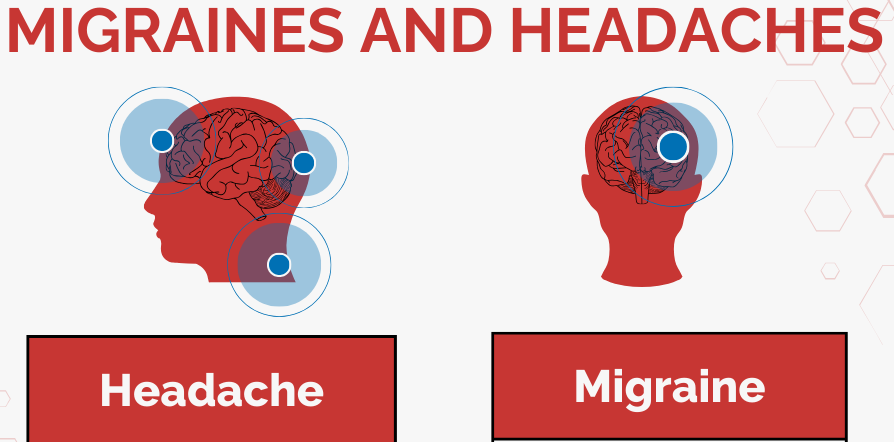
Headaches are one of the most frequent reasons patients visit a neuro specialist, but distinguishing between a simple migraine and a dangerous neurological headache isn’t always easy. Dr. Atiqure Rimel, an experienced neurologist, explains how to identify the differences and understand when to seek medical help.
Migraines are typically intense, one-sided headaches that throb or pulse. They often come with sensitivity to light, sound, and sometimes strong smells. Many patients also experience nausea or vomiting. Migraines can last anywhere from a few hours to several days and are triggered by stress, lack of sleep, hormonal changes, or dehydration. While migraines are painful, they are not usually life-threatening.
Neurological headaches, however, are more concerning. One key warning sign is the sudden onset of a severe headache, often described as the “worst headache of my life.” This can indicate a brain hemorrhage, aneurysm, or stroke. Immediate emergency care is required in such cases.
Another red flag is a progressively worsening headache—one that intensifies daily instead of improving. This may suggest increased pressure from a brain tumor or fluid accumulation. Patients should never wait when headaches become more frequent or change in pattern.
Headaches associated with speech difficulties, visual problems, or body weakness point to deeper neurological issues. These signs mean that the brain’s functional areas may be affected. Stroke, tumor, or nerve damage must be ruled out promptly.
Sometimes headaches result from cervical spine issues. When neck discs become compressed, they can cause pain radiating to the head. These headaches are often accompanied by neck stiffness, shoulder pain, or numbness in the arms.
Dr. Atiqure Rimel advises patients to seek medical attention if headaches occur more than three times a week, do not respond to medication, or interfere with daily activities. A proper neurological evaluation, along with imaging tests, helps determine whether the cause is migraine-related or something more serious.
Remember, headaches may seem ordinary, but consistent or unusual patterns should never be ignored. Consulting with Dr. Atiqure Rimel provides reassurance, accurate diagnosis, and effective treatment tailored to the patient’s condition.